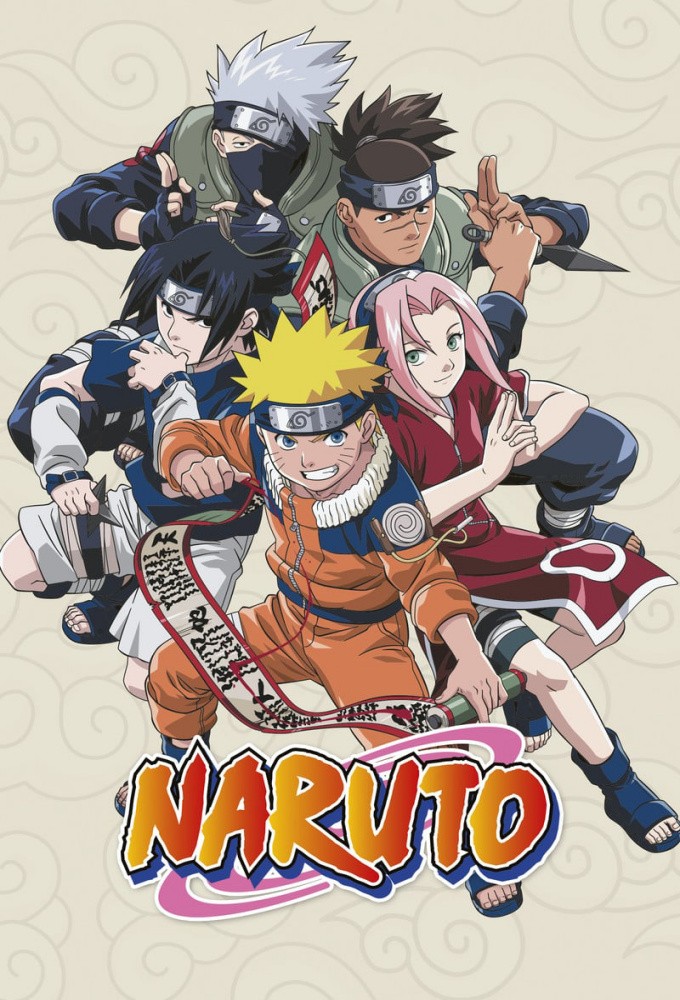
Start with the part of Team 7 you miss
Naruto, Sasuke, Sakura, and Kakashi do not stay a stable four-person unit for long. Their appeal comes from watching an assigned squad become emotionally inseparable even after ambition, betrayal, war, and years apart pull at it. A recommendation based only on orange-clad heroes or tournament fights misses that structure.
Choose Jujutsu Kaisen if you want a teacher and three students. Choose Hunter x Hunter for friendship tested by separate goals. Demon Slayer is the found-family route. Bleach supplies rescue teams and a large supernatural cast. Fullmetal Alchemist: Brotherhood offers a shorter finished story about guilt and responsibility.
One Piece is the long commitment for viewers who want a chosen family that keeps growing. Attack on Titan takes the childhood-friend and military-squad material into a harsher political tragedy. None repeats Team 7 exactly, which is why each entry below names the specific connection and the major difference.
1. Jujutsu Kaisen is the closest squad match
Yuji Itadori, Megumi Fushiguro, and Nobara Kugisaki enter Tokyo Jujutsu High under Satoru Gojo. The outline will look familiar to Naruto viewers: two boys with sharply different temperaments, a girl who refuses to be reduced to a supporting role, and an elite teacher whose relaxed behavior hides power and history.
The resemblance becomes stronger through mission work. The first-years face curses before they are emotionally prepared for what the job demands. Gojo can dominate many battles, yet his strength cannot prevent the students from making irreversible choices. As with Kakashi, the teacher's past becomes part of the conflict inherited by the younger group.
Jujutsu Kaisen moves faster and turns darker sooner than Naruto. Its teams also change more often, so do not expect the same long pursuit of one absent teammate. Start with season one, then watch Jujutsu Kaisen 0 before season two. That order introduces the first-years before the prequel expands Gojo's earlier relationships.
Who should pick Jujutsu Kaisen?
Pick it if Kakashi's mix of humor, skill, and buried loss was your favorite part of Team 7. Gojo performs a similar social role without becoming a copy. His confidence changes how allies and enemies plan, while his students still have to build identities outside his protection.
Yuji and Megumi also provide a strong contrast for Naruto and Sasuke fans. One reaches toward people almost instinctively; the other applies a colder standard to who deserves help. Nobara's pride and independence make the trio feel balanced instead of placing every emotional beat on the two boys.
The official anime story page describes a conflict between curses born from human negative emotion and the sorcerers who exorcise them. That horror premise makes the consequences sharper than early Naruto missions, so spoiler-sensitive viewers should avoid later arc summaries before starting.
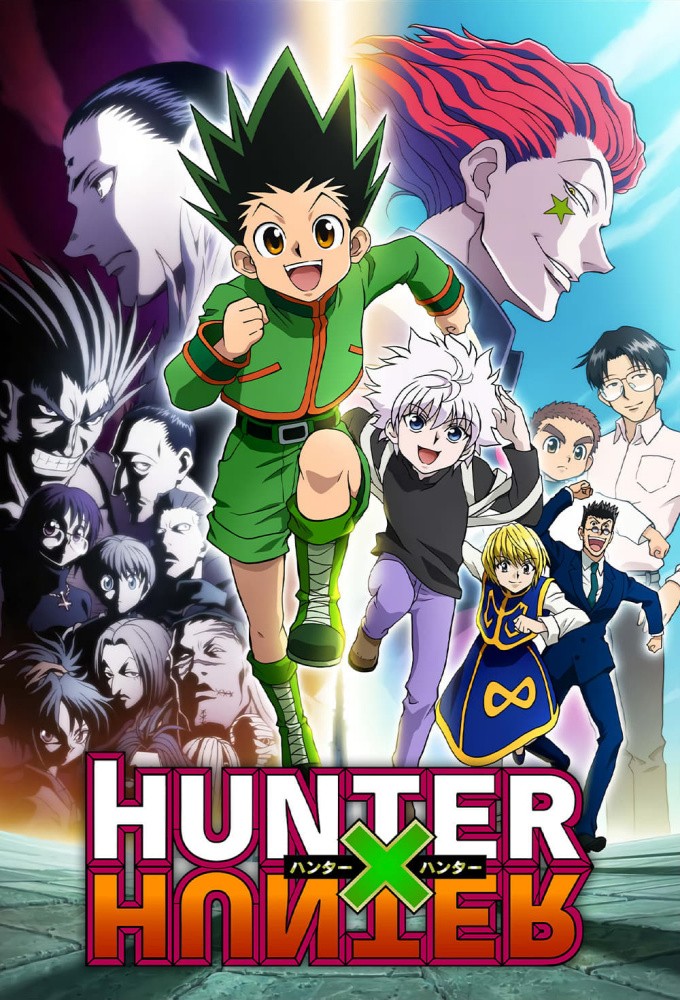
2. Hunter x Hunter follows friends with separate destinations
Gon Freecss leaves home to become a Hunter and search for his father. The Hunter Exam brings him together with Killua Zoldyck, Kurapika, and Leorio. Their bond forms quickly, but the story does not keep all four in one permanent squad. Each person has a goal strong enough to redirect the group.
That changing formation makes Hunter x Hunter a good match for viewers who cared about Team 7 after its breakup. Gon and Killua become the central pair for long stretches. Kurapika's pursuit of the Phantom Troupe pulls him toward a darker private mission, while Leorio's path carries him elsewhere without erasing the friendship.
The power system also rewards attention. Nen abilities express personality, training, risk, and self-imposed conditions. Naruto viewers who enjoyed chakra rules, tactical matchups, and fights settled by information rather than raw force will find plenty to follow. Start with the 2011 series and watch its 148 episodes in order.
What Hunter x Hunter changes
There is no Kakashi equivalent who anchors the same group from the first exam through the ending. Mentors arrive for specific stages, teach a method, and leave the young characters to apply it. That structure puts more weight on Gon and Killua teaching, challenging, and endangering each other.
The tone can move from playful adventure to severe psychological pressure within the same series. The Chimera Ant arc is especially patient and dark. Viewers expecting a steady climb from tournament to bigger tournament should prepare for long stretches focused on morality, strategy, and the cost of a character's choices.
VIZ frames Gon's journey around the difficult Hunter qualification and the search for his father. That personal objective keeps the series moving even when the friend group changes. Pick Hunter x Hunter when Team 7's separation and individual ambitions interested you as much as its reunions.
3. Demon Slayer turns mission partners into family
Tanjiro Kamado joins the Demon Slayer Corps while seeking a way to restore his sister Nezuko's humanity. Zenitsu Agatsuma and Inosuke Hashibira become his recurring mission partners. The three do not begin as a disciplined cell. They argue, panic, compete, and gradually learn what each person can carry in battle.
The comparison to Team 7 comes through emotional loyalty rather than matching roles. Tanjiro's empathy resembles Naruto's refusal to discard people. Inosuke supplies rivalry without Sasuke's long separation, and Zenitsu's fear gives the group a problem Naruto rarely assigns to one central teammate. Nezuko makes the family bond literal.
Demon Slayer is shorter and more linear than Naruto. Each major location pushes the central search forward, and the Hashira rotate into mentor or senior-fighter roles. Start with the 26-episode first season, then follow the Mugen Train story before Entertainment District. The release map prevents the movie and TV recut from being mistaken for two separate adventures.
Who should pick Demon Slayer?
Choose Demon Slayer if you liked the moments when Team 7 protected one another more than the rivalry plot. Tanjiro's group spends less time divided by ideology. Their friction comes from personality, fear, and different fighting instincts, then resolves through shared travel and survival.
The animation places heavy emphasis on sword styles and decisive clashes, but recovery has a visible place in the story too. Characters train, heal, and confront the damage left by each mission. Sakura fans may appreciate that physical aftermath is not skipped simply to reach the next fight.
The official anime site maintains episode pages for the first season and identifies the missions that move Tanjiro's group forward. Use those episode and arc guides if you want spoiler-safe summaries. Later marketing art often reveals new Hashira, demons, and settings before the viewer reaches them.
4. Bleach expands the rescue-team formula
Ichigo Kurosaki becomes a Soul Reaper after meeting Rukia Kuchiki and receiving her power during a Hollow attack. His school friends then develop their own links to the spirit world. When Rukia is taken to Soul Society, Ichigo assembles a rescue group and enters an institution filled with specialized squads and captains.
Naruto fans will recognize the appeal of entering a larger hidden society through a young outsider. Soul Society has ranks, rivalries, inherited duties, and combat styles tied closely to identity. Ichigo's friends split into different fights, so the rescue depends on several characters growing beyond the abilities they had at home.
Bleach has a much wider active cast than Team 7, and Ichigo is not assigned to a fixed three-person cell. The connection lies in rescue arcs and bonds that survive institutional conflict. Use a filler-aware watch order if you want the manga-based spine, since the original television run includes long anime-original blocks.
What Bleach offers Naruto fans
Pick Bleach if the Sasuke Retrieval arc was your favorite kind of Naruto story. Both series know how to send a divided group through multiple opponents while a personal rescue remains the destination. The fights reveal allies and enemies one at a time instead of keeping every character in a single crowd scene.
Ichigo's relationship with Rukia does not follow Naruto and Sasuke's rivalry pattern. It begins through responsibility and debt, then grows into mutual trust. Uryu Ishida provides a more direct rival structure, though his conflict with Ichigo changes as their worlds overlap.
VIZ describes Ichigo as a teenager who can see ghosts and becomes a Soul Reaper while protecting people from Hollows. That supernatural premise makes Bleach a strong bridge from ninja techniques to named swords, spirit pressure, and afterlife politics without giving up long battle arcs.
5. Fullmetal Alchemist: Brotherhood is the shorter finished route
Edward and Alphonse Elric begin with a bond Team 7 never has: they are brothers carrying the result of the same failed act. Their search for the Philosopher's Stone brings them into the Amestrian military, where officers, mechanics, doctors, and former enemies join a conflict much larger than the brothers first understand.
Naruto viewers may connect most strongly with the story's treatment of guilt. Edward's confidence cannot erase what happened to Alphonse, and several adult characters have failed people they wanted to protect. Responsibility is shown through what they do next rather than a single apology that settles the past.
Brotherhood tells its main story in 64 episodes. That makes it the quickest completed recommendation here. Roy Mustang, Riza Hawkeye, Winry Rockbell, and the Elrics create overlapping circles of trust instead of a teacher-and-students squad. Military orders and personal revenge test every one of those bonds.
Who should pick Fullmetal Alchemist: Brotherhood?
Choose it if Kakashi's history, Sasuke's revenge, and the cost of forbidden power interested you. Alchemy has explicit exchange rules, yet the hardest decisions come from what a character refuses to trade. The series keeps returning to bodies, memory, war, and the danger of treating people as materials.
The story is tightly serialized, so watch episodes 1 through 64 without skipping. Unlike Naruto, there are no large filler blocks to remove. Early comedy gives way to a national conspiracy, but the plot continues making room for the brothers' relationship and the adults whose earlier war shaped the present.
This is also the recommendation for viewers who want a finished ending without another multi-hundred-episode commitment. Its shorter length does not mean a smaller cast. It means allies introduced in different cities can converge on one conclusion within a defined run.
6. One Piece is the long found-family choice
Monkey D. Luffy leaves to find the One Piece and become Pirate King. Rather than receiving an assigned squad, he recruits a crew one person at a time. Each Straw Hat brings a profession, a dream, and a history that changes why the crew travels to the next island.
Naruto fans who followed Team 7 for the bond rather than the village structure may find the strongest long-term match here. Luffy repeatedly enters conflicts because someone close to him has been cornered by a ruler, institution, or past obligation. Crew members can leave temporarily, but their return carries the history built across earlier islands.
One Piece is far longer than every other recommendation on this page. Start at episode 1 and treat each major island saga as a viewing unit. Avoid random skipping based on viral clips, since later payoffs often depend on people, objects, or promises introduced hundreds of episodes earlier.
What One Piece changes
There is no single Kakashi figure. Older allies and local mentors guide the crew for stretches, while Luffy remains captain without acting like a conventional teacher. The crew's authority structure is looser than a shinobi cell and depends on trust formed through voluntary membership.
The rivalry structure is also different. Zoro challenges Luffy at moments of command, but he is not a missing teammate whom the captain spends the story pursuing. The emotional similarity comes from the crew's refusal to abandon a member when that person believes leaving will protect everyone else.
Choose One Piece if you want years of cumulative friendship, a very large world, and arcs that give supporting characters their own home conflicts. The commitment is substantial, so the series guide and arc map are better starting tools than a promise to catch up quickly.
7. Attack on Titan takes the squad into tragedy
Eren Yeager, Mikasa Ackerman, and Armin Arlert grow up together before entering the military after Titans destroy their home. Training places them beside a larger cadet group, and later operations depend on squads following plans where a single failure can kill people far from the original mistake.
The childhood trio offers a darker answer to Team 7. Eren's drive pulls his closest friends into choices they cannot solve through loyalty alone. Mikasa's devotion and Armin's judgment become different forms of resistance as the story expands from survival into military and political conflict.
Attack on Titan is much harsher than Naruto and should be chosen with that tone in mind. Death is frequent, the mystery depends on concealed information, and later seasons reframe earlier events. Watch in release order and avoid character pages until you have finished if identity and allegiance spoilers bother you.
Who should pick Attack on Titan?
Pick it if Team 7's war years and the question of whether a friend can be saved interested you more than the academy period. The series asks what loyalty demands when a person's goal threatens strangers, allies, and the future their friends hoped to share.
Levi and the Survey Corps provide the elite-team material, though their relationship to younger soldiers is more military than Kakashi's bond with his students. Plans rely on chain of command, sacrifice, and incomplete intelligence. A gifted individual cannot make the battlefield safe.
The official Final Season site identifies MAPPA as the animation studio for that stage and supplies story, character, broadcast, and staff hubs. Use the series watch order for the release sequence, especially around the differently formatted final chapters.
A quick match by Team 7 character
Naruto fans should start with Demon Slayer for Tanjiro's empathy or One Piece for Luffy's refusal to leave a friend behind. Sasuke fans may prefer Hunter x Hunter's separate character goals, Bleach's rivalries, or Attack on Titan's severe ideological conflict.
Sakura fans who want women with forceful personalities can start with Jujutsu Kaisen and Nobara, then follow Fullmetal Alchemist: Brotherhood for Winry, Riza, Olivier, and Izumi across very different roles. No single character is a direct Sakura replacement, which is better than reducing her to a checklist of traits.
Kakashi fans should start with Jujutsu Kaisen for Gojo's teacher role or Fullmetal Alchemist: Brotherhood for adults carrying the damage of an earlier war. Attack on Titan supplies battlefield commanders, but its mentors operate inside a stricter military system.
Pick by length and spoiler risk
Fullmetal Alchemist: Brotherhood is the compact option at 64 episodes. Jujutsu Kaisen and Demon Slayer are manageable ongoing routes with movies and season breaks that need a release map. Hunter x Hunter has 148 episodes in its 2011 adaptation and reaches a stopping point without resolving every manga thread.
Bleach and One Piece require the largest time commitment. Bleach can be shortened with a filler guide, while One Piece depends heavily on long-range setup and should not be cut into a highlights reel. Attack on Titan is finished but highly sensitive to spoilers in search results, thumbnails, character descriptions, and arc names.
If you want to decide after one arc, try Jujutsu Kaisen's opening missions, Hunter x Hunter's Hunter Exam, Demon Slayer's first season, or Bleach through the first major rescue setup. Brotherhood and Attack on Titan reward continuous viewing from episode 1.
Final recommendation
Start with Jujutsu Kaisen when you want the closest teacher-and-students outline. Move to Hunter x Hunter for friendships pulled by separate ambitions, or Demon Slayer for a traveling group that becomes family through shared missions.
Choose Bleach for rescue arcs, Brotherhood for a finished 64-episode story, One Piece for the longest found-family journey, and Attack on Titan for a tragic military version of childhood bonds. The right follow-up depends on which part of Team 7 stayed with you, not which poster looks most like Naruto.
Official Video and Images
JUMP MV: Naruto x Lovers by seven oops
Embedded from an official rights-holder, producer, or licensor channel.


Naruto Movie releases
Movies stay outside the TV episode count. That preserves official numbering and makes watch orders easier to trust when a franchise has theatrical stories, recuts, or side releases.
Key Naruto characters
Character pages connect spoiler-safe profiles, full story biographies, first appearances, and mapped episode or movie appearances back into the same catalog.
Useful AnimeAnchor Links
FAQ
What anime is most like Naruto's Team 7?
Jujutsu Kaisen has the closest outline: three first-year students with clashing personalities train under an unusually powerful teacher carrying his own history.
What should I watch if Naruto and Sasuke were my favorite pair?
Try Hunter x Hunter for Gon and Killua's friendship, Bleach for Ichigo and Uryu's changing rivalry, or Attack on Titan for a much darker conflict among childhood friends.
Which recommendation is the shortest?
Fullmetal Alchemist: Brotherhood tells its main finished story in 64 episodes, making it the shortest completed series in this list.
Which anime has a mentor like Kakashi?
Satoru Gojo in Jujutsu Kaisen is the closest structural match, though his power, personality, and relationship to the wider sorcerer world lead to a different story.
What should I watch after Naruto if I want found family?
Choose Demon Slayer for a smaller traveling group or One Piece for a much longer crew story in which each member joins with a personal dream.
Is Attack on Titan a good follow-up to Naruto?
Yes, if you want military squads, childhood bonds, and ideological conflict in a far darker series. Avoid character and arc spoilers before watching.