The short answer
Start One Piece from the beginning and watch through the pre-timeskip story before moving into post-timeskip material. The timeskip is a major break in the anime, but it is not a beginner entry point. It works because you already know the crew, their dreams, their losses, and the world they are trying to cross.
If the episode count scares you, use the timeskip as your first big milestone. Do not worry about reaching the current arc immediately. One Piece is easier to watch when you divide it into sagas, then treat the timeskip as a natural pause before the story expands.
What the timeskip means
The timeskip marks a period when the Straw Hat crew separates, trains, and returns stronger for the next phase of the journey. In viewing terms, it splits the anime into pre-timeskip and post-timeskip eras. Those labels are everywhere because they describe a real shift in tone, scale, and crew capability.
Pre-timeskip One Piece is about gathering the crew, defining dreams, entering the Grand Line, and learning how large the world is. Post-timeskip One Piece is about the crew moving through a more dangerous sea with bigger political stakes, stronger enemies, and longer arcs.
Why you should not start after the timeskip
Starting after the timeskip sounds tempting because the animation is newer and the crew has stronger abilities, but it cuts away the emotional foundation. Luffy's trust in his crew, Zoro's loyalty, Nami's relationship to freedom, Usopp's fear, Sanji's pride, Chopper's insecurity, Robin's survival, Franky's role, and Brook's grief all come from earlier arcs.
Post-timeskip scenes often call back to pre-timeskip wounds. A joke, a fight stance, a crew reaction, or a quiet promise may mean little if you missed the arc that gave it shape. The later story assumes you know why the crew staying together carries so much weight.
Pre-timeskip is the crew-building era
The first era of One Piece introduces the crew piece by piece. East Blue gives the early emotional contract: Luffy finds people with broken pasts or trapped dreams and asks them to bet on the sea again. That pattern continues as the world grows.
The Grand Line then tests whether the crew can survive stranger islands, stronger enemies, and harder choices. The story is still funny and loose in places, but it slowly becomes clear that the crew's dream will collide with governments, warlords, pirates, and history itself.
That gradual build is the reason pre-timeskip should stay intact. One Piece does not start with its full map on the table. It teaches the viewer the world through the crew's confusion, wonder, and mistakes.
Where the first big pause should be
If you need a break before the timeskip, pause at saga endings rather than random episode numbers. East Blue, Alabasta, Skypiea, Water 7 and Enies Lobby, Thriller Bark, and the war stretch all work better as chunks than as isolated episodes.
The strongest pause before the timeskip usually comes after a saga has fully resolved. Stopping in the middle of Water 7, Enies Lobby, or the war stretch can make it harder to return because those arcs rely on pressure. Finish the arc, then take the break.
The war stretch changes the stakes
Before the timeskip, One Piece spends a long stretch showing that the world is much larger than the Straw Hats. The crew's journey intersects with major powers, old grudges, and conflicts that do not wait for Luffy to understand them. That shift prepares viewers for the later sea.
This is one of the main reasons the timeskip works. The crew does not train because the story needs a cosmetic reset. They train because the world has shown them a gap between courage and readiness.
Post-timeskip is not a different show
Post-timeskip One Piece can feel larger, denser, and more tied to long-term politics. That does not mean the show abandons the earlier spirit. The crew still jokes, argues, eats, runs, and crashes into trouble. The difference is that their choices now land inside conflicts with wider consequences.
The arcs also tend to feel bigger. More factions are involved, villains often sit inside political systems, and the story spends more time paying off details planted much earlier. If pre-timeskip teaches the crew why the world has so much pull, post-timeskip shows the crew pushing deeper into that world.
What changes after the crew returns
After the timeskip, the Straw Hats are more capable, but the story does not let power solve everything. The crew still enters places with old wounds, local rules, and enemies who have been shaping events long before Luffy arrives. The difference is that the Straw Hats now have more tools to survive those places.
The return also changes how viewers read the crew. Their designs, fighting styles, and confidence have shifted, but their old dreams remain. That contrast is the point. The timeskip shows growth without replacing the crew you followed through East Blue, Alabasta, Water 7, Enies Lobby, Thriller Bark, and the war stretch.
This is why the break works as a checkpoint. You can pause there, remember how far the crew has come, then start post-timeskip One Piece with a clearer sense of what changed and what stayed the same.
How to avoid spoilers around the timeskip
The timeskip is a common spoiler trap because character designs change. Search results, thumbnails, merchandise, and character pages often show post-timeskip looks by default. If you are still in pre-timeskip One Piece, avoid character image searches unless the page has clear spoiler controls.
Arc names can also reveal where the story goes. Keep to the episode guide, saga guide, and filler list until you reach the break. Do not browse late movie pages or recent trailers if you care about discovering new crew developments in order.
Where movies fit around the timeskip
One Piece movies should stay in the movie section, not inside the main episode count. Some films line up better with pre-timeskip character designs, while others clearly belong after the crew returns. Use release context and crew status to decide when to watch them.
For a first run, movies are optional unless you specifically want a release-completion path. The core story is in the TV anime. Films can be fun side watches, but they should not interrupt a major canon arc unless the guide marks that break as safe.
The timeskip makes movie placement easier because the crew's look tells you a lot. If the film uses pre-timeskip designs, keep it before the break. If it uses later designs or references later crew dynamics, save it until after the matching point in the anime.
Best way to use AnimeAnchor for One Piece
Use the One Piece series page as the hub, then move between the watch order, filler list, saga guide, and character pages only when you need them. The episode guide is the safest place to stay while watching because it keeps you close to the current range.
When you reach a saga ending, check the next saga title and decide whether to continue or pause. For a series this long, pacing yourself is part of finishing. You do not need to sprint to the latest episode to be watching One Piece correctly.
Best route for new viewers
Watch East Blue as your first commitment. If the crew and humor work for you by then, continue into the Grand Line. Use Alabasta and Water 7 as later checkpoints. By the time you approach the timeskip, the series should feel less like thousands of episodes and more like a journey with large stations along the way.
After the timeskip, keep using arc breaks. Post-timeskip One Piece can be even more demanding because arcs are longer and the cast is larger. A guide helps most when it tells you where one stretch ends and the next begins.
Final recommendation
Do not start One Piece after the timeskip. Begin with East Blue, watch the pre-timeskip story as the crew-building era, then use the timeskip as a checkpoint before the larger post-timeskip conflicts. Put movies in the movie section, keep filler optional, and avoid character pages that show later designs too early.
That route protects the emotional payoff. The timeskip is powerful because the crew has already been through enough for separation and return to mean something. Let the early sea do its work.
Official Video and Images
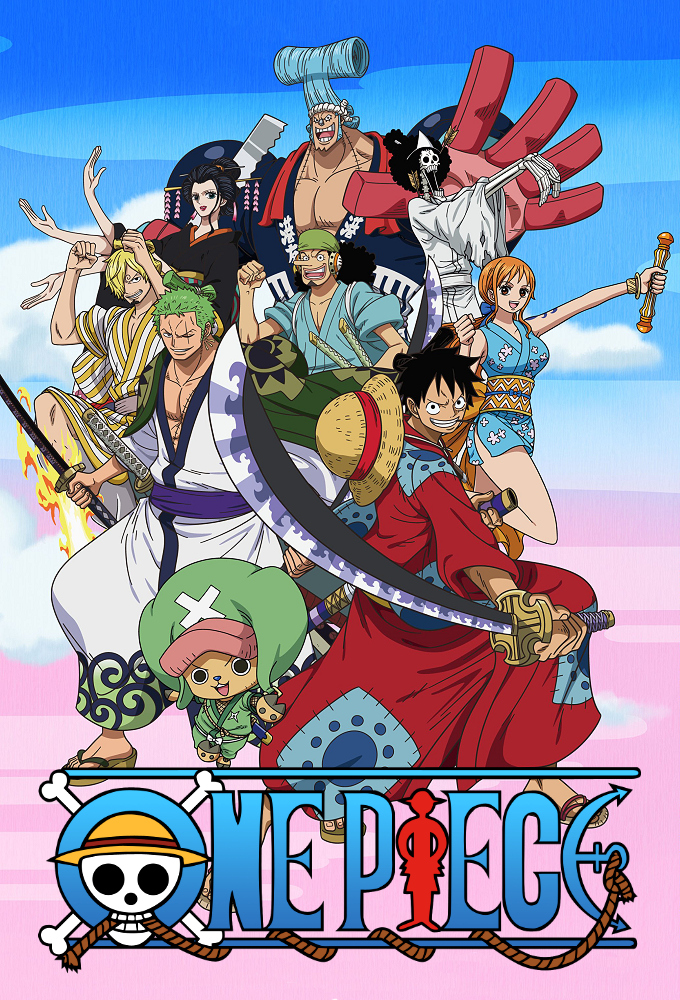
One Piece guide snapshot
This guide is connected to the live AnimeAnchor catalog for One Piece. The current page links into the full episode spine, canon and filler labels, arc mapping, movie releases, and character profiles instead of leaving you with a loose recommendation list.
One Piece Arc map
The arc map turns a broad recommendation into exact episode ranges. Each row links back to the dedicated arc page or the main series guide.
| Arc | Episode range | Canon | Filler | Recommendation |
|---|---|---|---|---|
| Romance Dawn Arc | Episode range 1-3 | 3 | 0 | Watch |
| Orange Town Arc | Episode range 4-8 | 5 | 0 | Watch |
| Syrup Village Arc | Episode range 9-17 | 9 | 0 | Watch |
| Baratie Arc | Episode range 18-30 | 13 | 0 | Watch |
| Arlong Park Arc | Episode range 31-44 | 14 | 0 | Watch |
| Loguetown Arc | Episode range 45-47 | 3 | 0 | Watch |
| Reverse Mountain Arc | Episode range 48-53 | 6 | 0 | Watch |
| Whisky Peak Arc | Episode range 54-61 | 8 | 0 | Watch |
| Little Garden Arc | Episode range 62-77 | 16 | 0 | Watch |
| Drum Island Arc | Episode range 78-91 | 14 | 0 | Watch |
| Alabasta Arc | Episode range 92-130 | 39 | 0 | Watch |
| Jaya Arc | Episode range 131-143 | 13 | 0 | Watch |
| Skypiea Arc | Episode range 144-195 | 52 | 0 | Watch |
| Long Ring Long Land Arc | Episode range 196-206 | 11 | 0 | Watch |
| Water 7 Arc | Episode range 207-219 | 13 | 0 | Watch |
| Enies Lobby Arc | Episode range 220-264 | 45 | 0 | Watch |
| Post-Enies Lobby Arc | Episode range 265-278 | 14 | 0 | Watch |
| Thriller Bark Arc | Episode range 279-321 | 43 | 0 | Watch |
One Piece Movie releases
Movies stay outside the TV episode count. That preserves official numbering and makes watch orders easier to trust when a franchise has theatrical stories, recuts, or side releases.
Key One Piece characters
Character pages connect spoiler-safe profiles, full story biographies, first appearances, and mapped episode or movie appearances back into the same catalog.
Useful AnimeAnchor Links
FAQ
Can I start One Piece after the timeskip?
No. Post-timeskip One Piece depends on crew bonds, losses, and worldbuilding from pre-timeskip arcs.
What is the One Piece timeskip?
It is the major story break where the crew separates, trains, and returns for the next phase of the journey.
Where should I pause before the timeskip?
Pause after saga endings, especially after complete arc resolutions rather than in the middle of high-pressure stretches.
Are One Piece movies required before the timeskip?
No. Movies are optional side releases for most first-time viewers.